

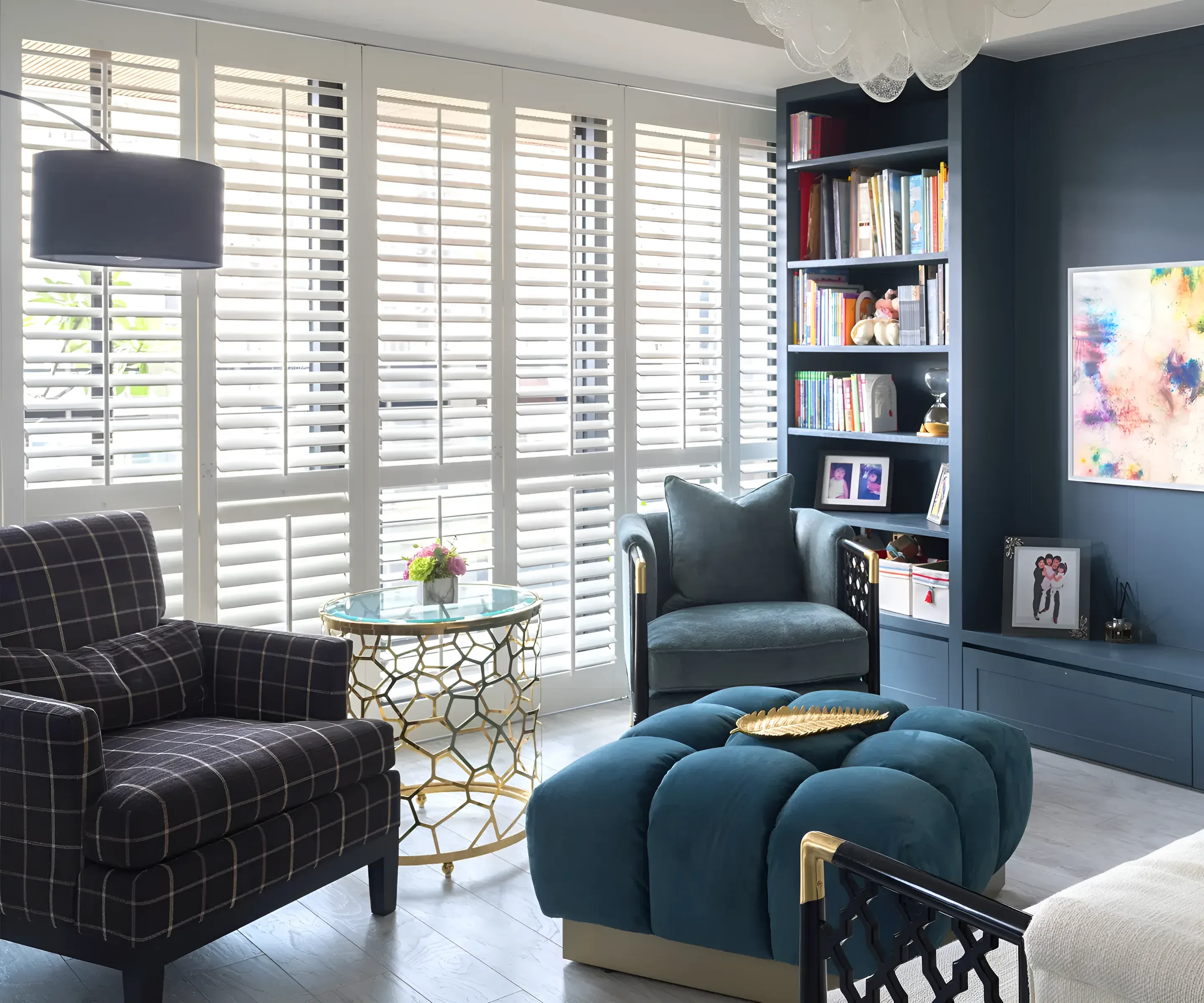
 © 2021 Norman®. All Rights Reserved.
Woodlore®
Composite shutters with a dense wood core, durable finish, and strong resistance to peeling, cracking, chipping, and yellowing.
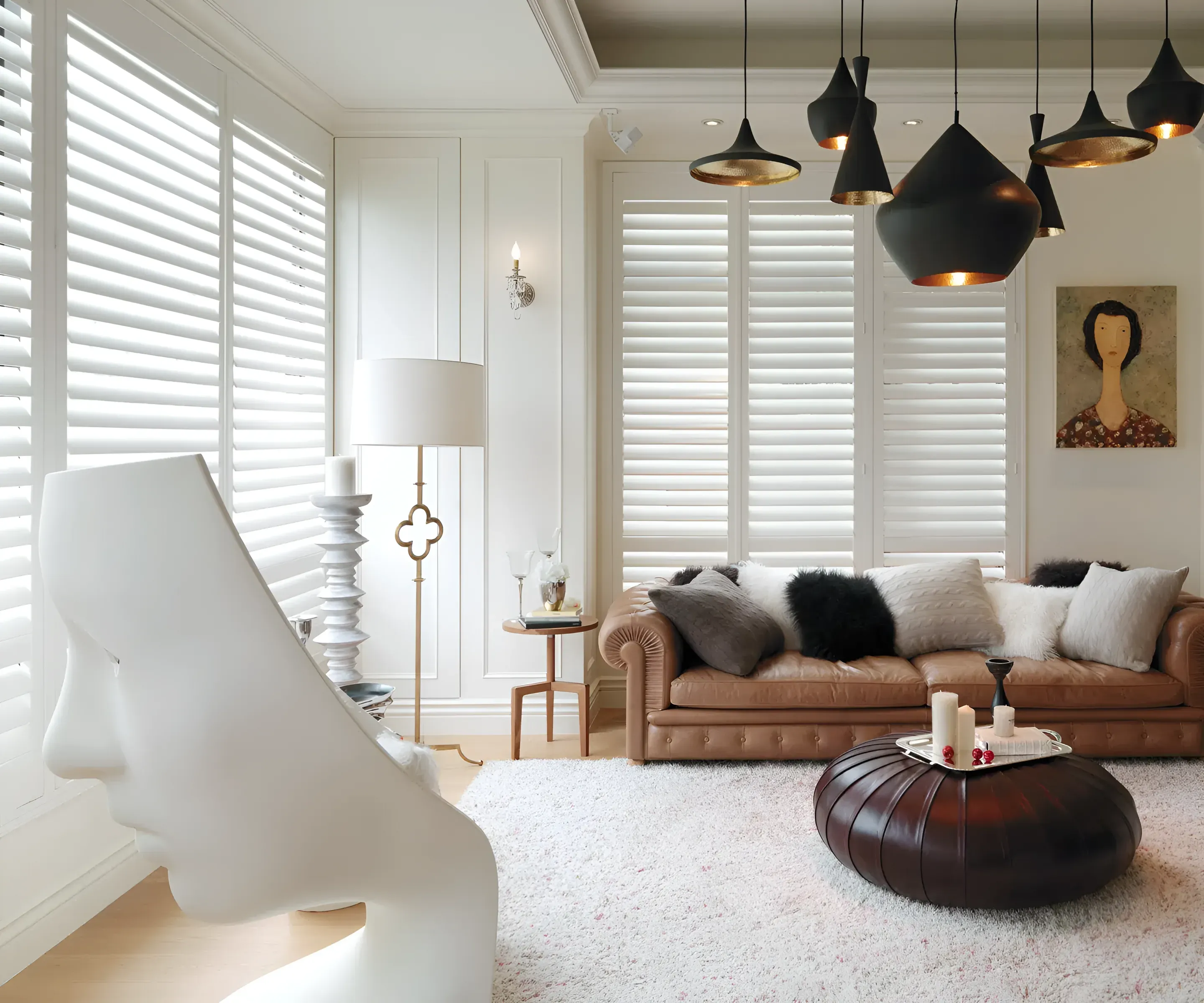 © 2021 Norman®. All Rights Reserved.
Custom Shutters
Frame depth, louver size, panel layout, and clearance determine how shutters look and operate. Compare composite, hardwood, and moisture-ready options for privacy, insulation, doors, specialty shapes, and long-term finish.
© 2021 Norman®. All Rights Reserved.Composite shutters with a dense wood core, durable finish, and strong resistance to peeling, cracking, chipping, and yellowing.
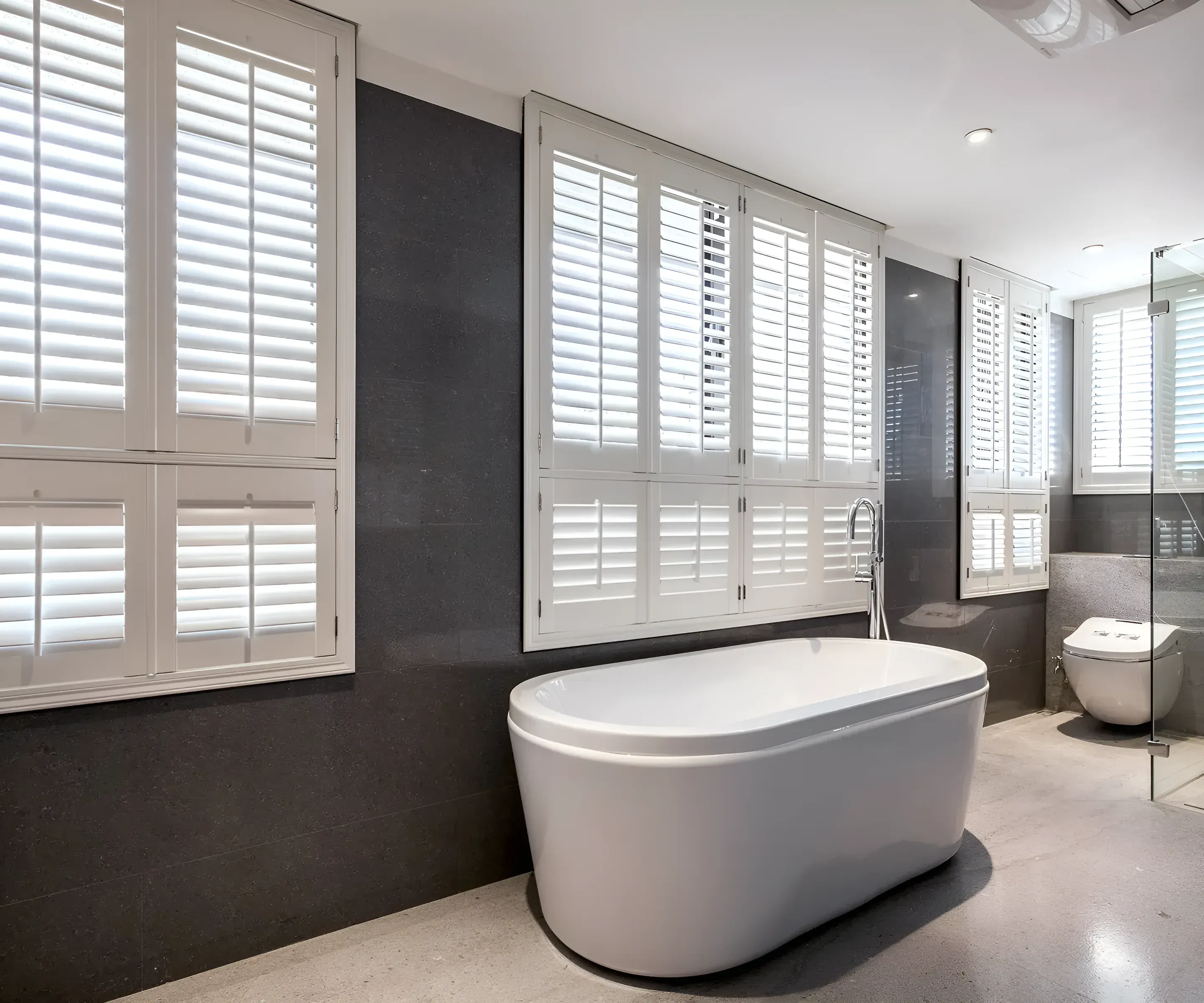 © 2021 Norman®. All Rights Reserved.
A versatile Woodlore® direction with wider design flexibility for custom colors, specialty shapes, and larger openings.
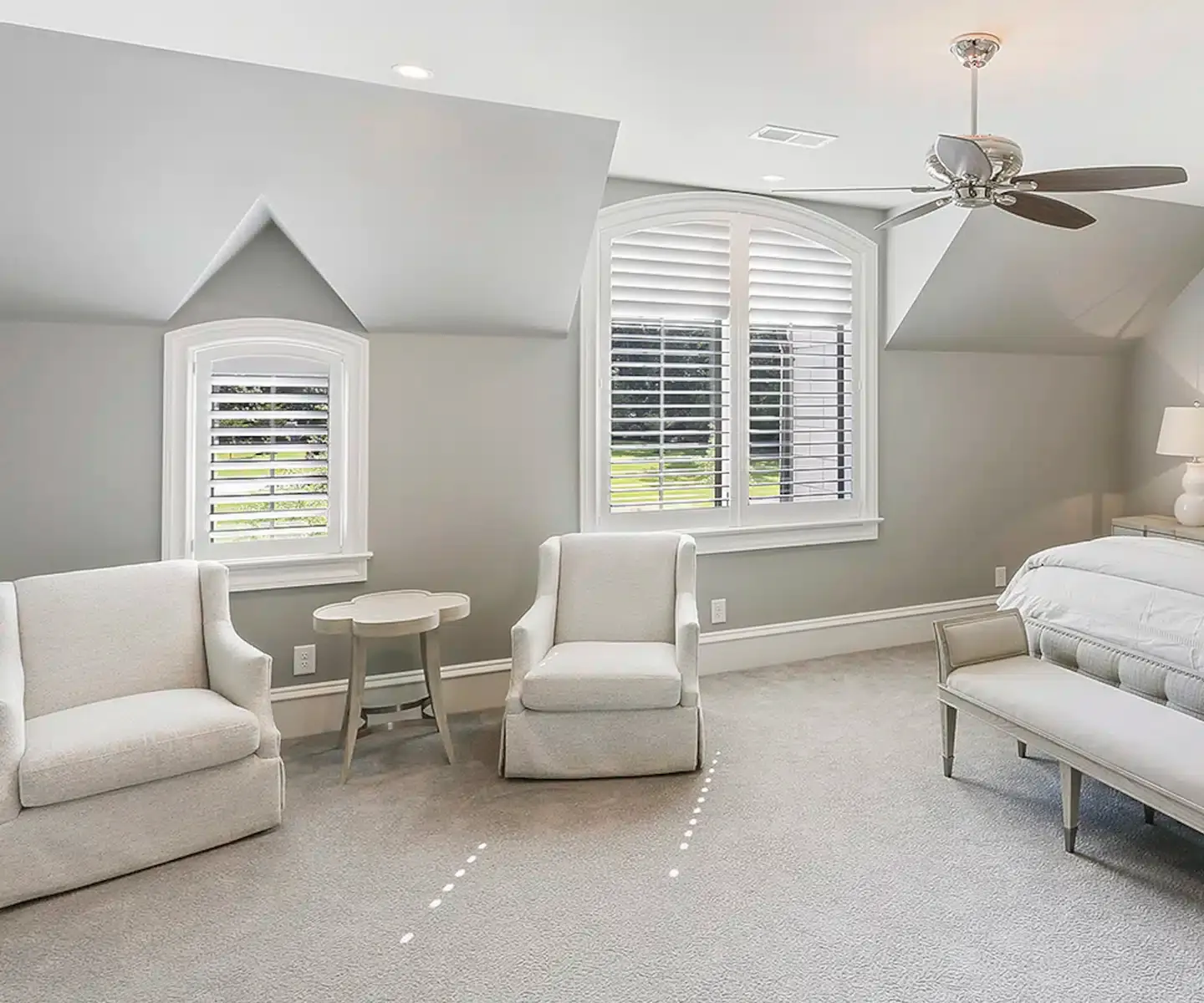 © 2021 Norman®. All Rights Reserved.
A premium painted shutter option for rooms that need broader panel capability, clean color, and a refined custom look.
 © 2021 Norman®. All Rights Reserved.
A hardwood shutter line with natural wood character, stain options, and furniture-like detail for elevated rooms.
 © 2021 Norman®. All Rights Reserved.
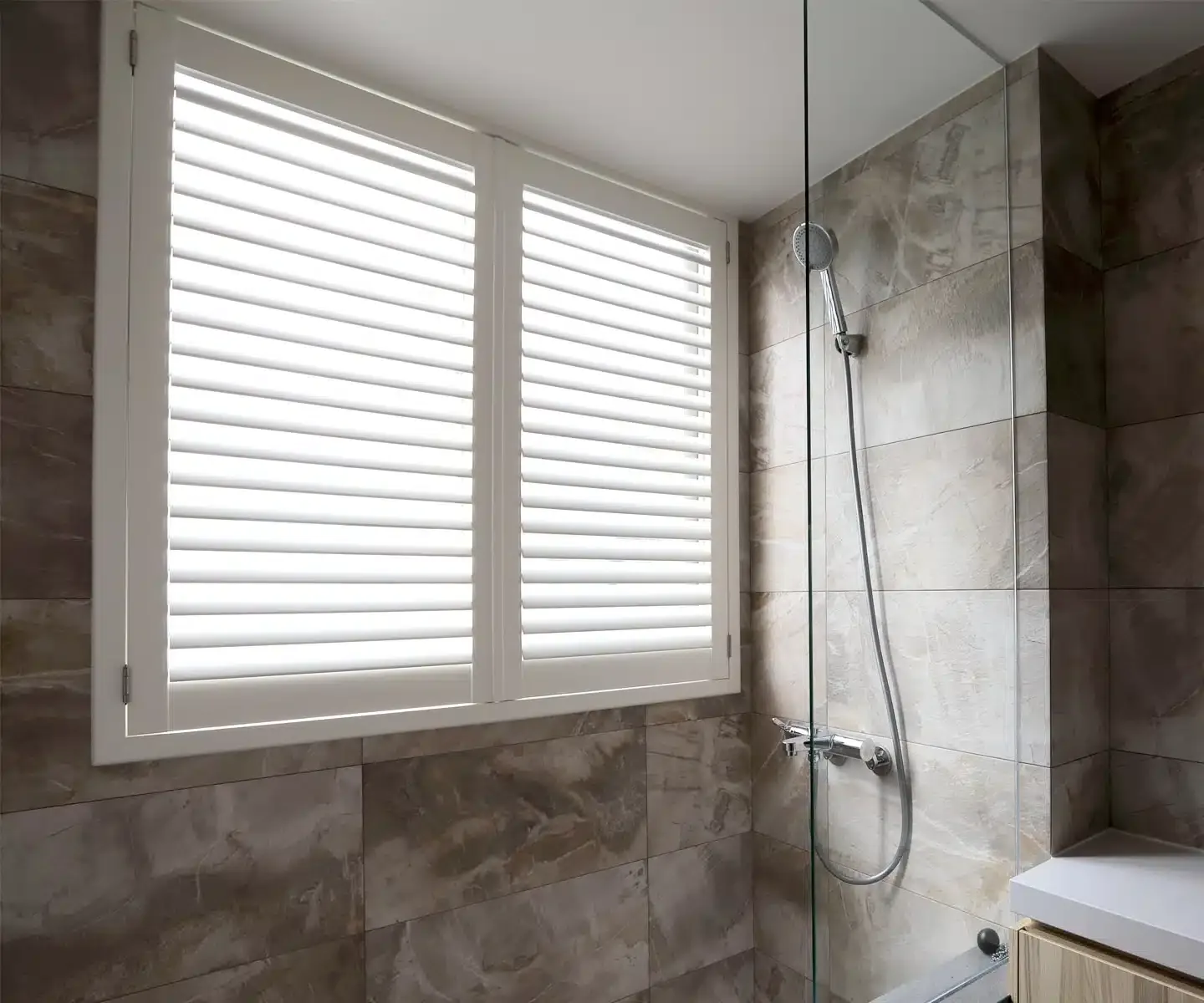
A shutter option for bathrooms, kitchens, laundry rooms, and other spaces where moisture resistance matters.
Shutters can be designed for everyday rooms, front-facing windows, doors, specialty shapes, and skylights. The in-home visit confirms frame depth, louver size, panel layout, tilt preference, moisture exposure, and operating clearance before ordering.
 © 2021 Norman®. All Rights Reserved.
Shutters are the one window covering built as part of the window rather than hung in front of it. Each panel, frame and louver is made to the measurements of a single opening, so the finished install looks like trim, opens like a door and controls light with one tilt. That is the real value of custom shutters in Seattle : they are sized for the house you actually live in, from a 1920s Craftsman with deep sills to an Eastside townhouse with shallow drywall returns. Below are the decisions that shape the result and what to ask before you order.
Puget Sound light changes more over a year than most homeowners expect. From November to February you want every bit of daylight. From mid-May to mid-July the sun rises before 5:30 a.m. and sets after 9 p.m. Louvers handle both seasons with the same panel: open them wide on a gray afternoon, angle them up for privacy without losing brightness, close them on a long June evening.
That flexibility is why plantation shutters in Seattle suitable for street-facing rooms in densely built-up neighborhoods - such as Ballard, Fremont, or Capitol Hill. Split tilt keeps the lower louvers closed toward the sidewalk while the upper section stays open to the sky. Because the panels sit inside a fixed frame, they also hold a layer of still air against the glass, which makes older windows less drafty.
There is a practical side, too. Shutters have no cords, no fabric to stain and no slats to tangle, dust them weekly and wipe with a damp cloth when needed.
Composite panels are an everyday choice. Woodlore® shutters combine a dense wood composite core with a polypropylene coating that resists cracking, chipping, and yellowing, as a result, they retain their shape even during humid winters and never require repainting. They suit living rooms, kitchens, kids' rooms and rentals, and they cost less than hardwood for the same window. Woodlore® Plus adds lighter louvers, panels up to 36 inches wide and 23 standard colors with custom matching.
Hardwood is for rooms where grain is part of the design. Normandy® shutters are solid Paulownia with quarter-sawn louvers that resist warping, offered in more than 50 stains and paints. A stained panel next to fir trim or oak floors reads as furniture rather than a white rectangle.
The best shutters look as if they came with the house.
Craftsman (bungalow) and Four-Square style homes in the Wallingford, Ravenna, or Queen Anne neighborhoods typically feature wide fir trim and windows with divided lites. Narrower louvers and a stain matched to the trim keep the woodwork consistent. Mid-century ramblers suit 3 1/2 inch louvers in a soft white that does not compete with large picture windows. Newer townhouses and Eastside builds with painted millwork look cleanest with 4 1/2 inch louvers, hidden tilt and a white or warm gray matched to the trim. Choosing the proportions in this way gives the interior shutters in Seattle the appearance of a natural part of the house, rather, than an element added later.
Two windows of the same size can need very different shutters. Four details decide how custom plantation shutters look and operate.
None of this can be chosen from a photo, reveal depth and out-of-square corners are measured at the window.
Panel styles, sliding doors and arched windows
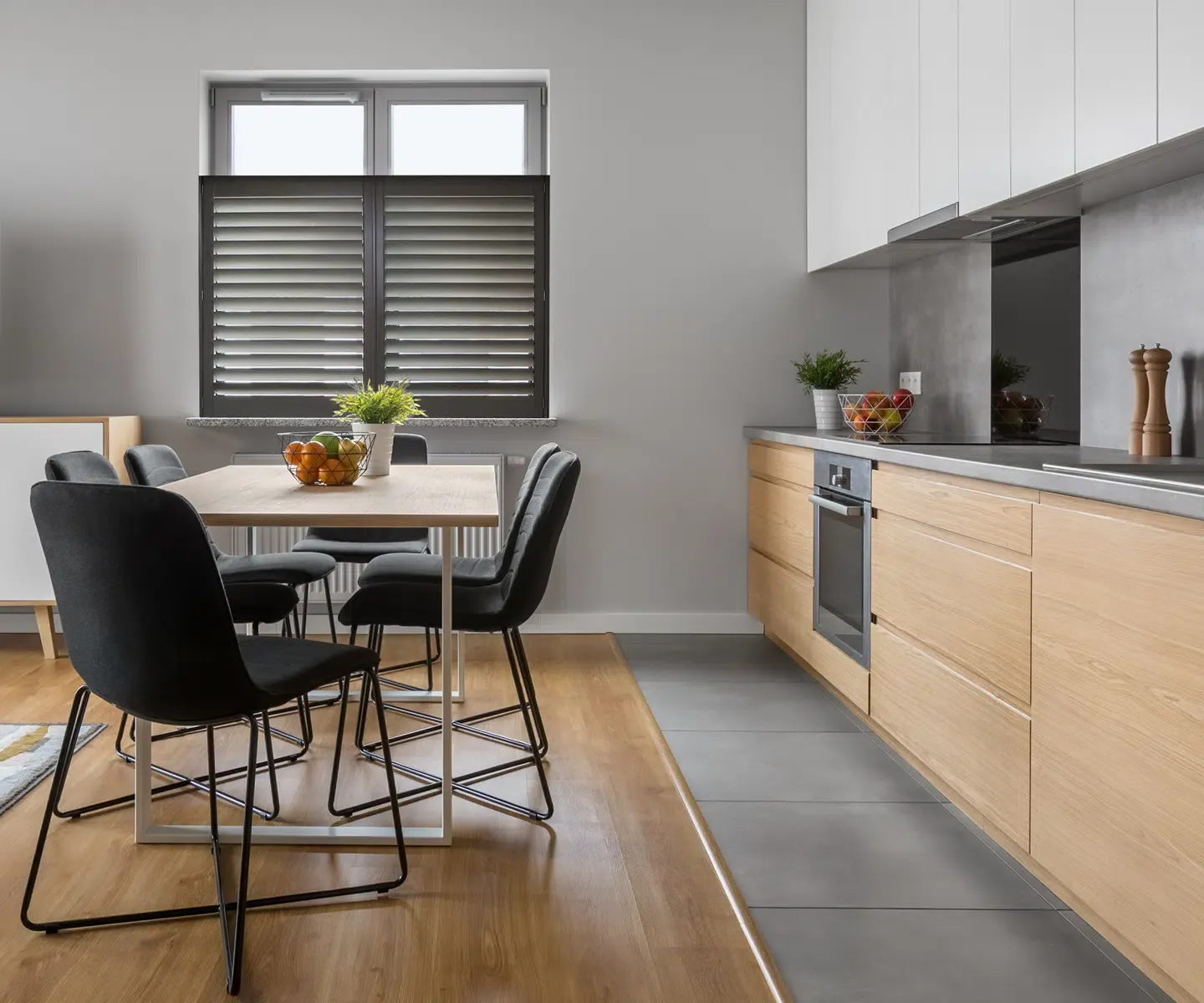
Full-height panels cover the whole window and give the cleanest look. Café style covers only the lower half, keeping privacy at street level while the upper glass stays open. Tier-on-tier splits each opening into upper and lower panels that open independently, a good fit for ground-floor bedrooms and tall sash windows.
Sliding glass doors. Panels ride a track instead of hinging from the wall. Bypass panels slide past each other, bi-fold sets stack to the side, and Bi-fold 180™ folds flat against the adjacent wall.
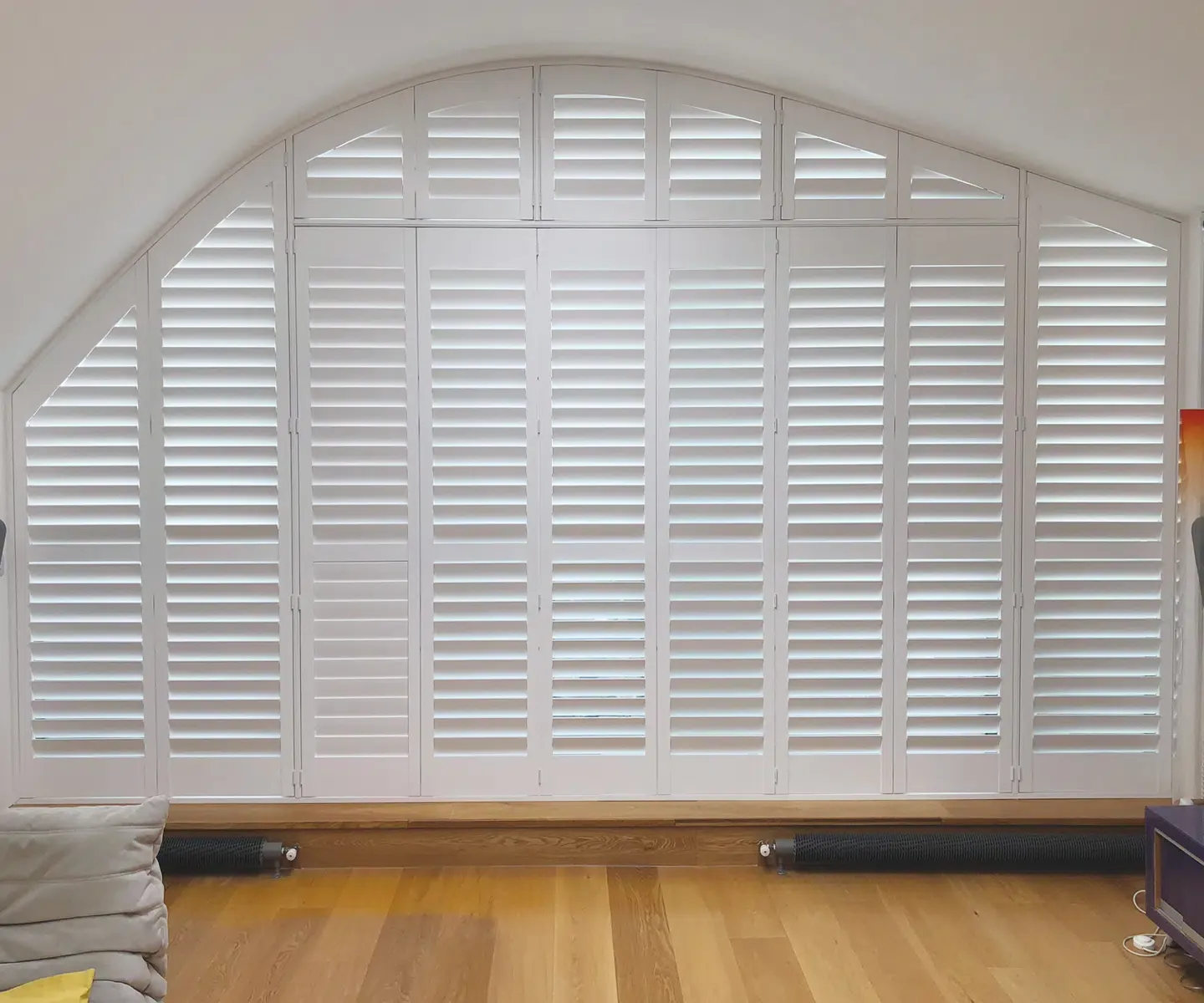
Arched and shaped windows. Arches, circles and angled tops are built from a template of the actual curve, in the same color and louver size as the windows beside them.
A shutter is only as good as its fit, so the process starts at the window, not in a catalog. Shutter installation in Seattle with PAPABLINDS follows three steps.
Precise measuring matters most in older homes, where settled framing can leave a window corner a quarter inch out of square. The frame absorbs that difference, so the louvers close evenly.
Shutters are priced per opening, so the quote reflects your project rather than a square-foot average. The main factors are the number of windows and the size of each one, the material line, louver size and frame style, custom color matching, and specialty work like arches, bay windows or door tracks. A written quote should cover measurement and installation, not only the panels.
With normal care, quality composite and hardwood panels last for decades. Composite finishes resist yellowing, and hardwood can be refinished.
They cost more upfront but have fewer moving parts, no cords and a permanent architectural look. Blinds or shades remain lighter options for rentals.
Most homes simply need the right material per room. That one rule decides whether window shutters in Seattle last for years or start to swell after the first winter.
Lines, louver sizes and colors can usually be matched, so a new room or door reads as part of the same install.
Compare materials, colors, louver sizes, and frame details against your actual light and privacy goals.
Norman® product names, marks, and photos are used for product education. ™ and ® denote trademarks owned or claimed by Norman®. Norman-supplied photos: © 2021 Norman®. All Rights Reserved.